Main Story
Complete- Time
- 4 hours
- Difficulty
- Easy (1/5)
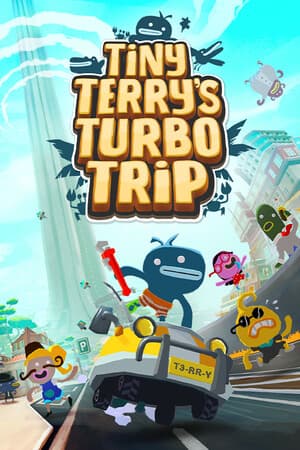
A funny, compact open-world collectathon that teaches you its town beautifully, then asks too much of it on the road to 100%.
Completion
Highlights & caveats
World Design · Standout
The town is the tutorial
People, shops, tools, and landmarks teach Sprankelwater without turning it into a list of instructions.
Progression · Standout
The goal keeps changing
Meeting locals becomes tool hunting, collecting, upgrading, and cleanup without announcing new phases.
Characters · Strong
Characters sell the weirdness
Deadpan dialogue, squawking voices, and proudly strange residents make every errand worth starting.
Presentation · Strong
Presentation has identity
Wonky models, loud colors, playful physics, and a warm soundtrack make the tiny world immediately recognizable.
Pacing · Strong
Main trip stays compact
Four easygoing hours are enough to learn the town, build the car, and land the story.
Quest Design · Mixed
Activities stay simple
Fetch quests and small minigames add texture, but the characters carry more weight than the mechanics.
Driving · Mixed
Driving is mostly a punchline
The taxi is good for travel and slapstick, but most meaningful exploration happens on foot.
Cleanup · Weak
100% becomes trash patrol
The last loose Turbo Junk turns a charming tour into a slow sweep, even with the detector hat.
Tiny Terry's Turbo Trip is good because it makes getting distracted feel like progress. Terry wants a car, and then he wants to drive it into space. Sprankelwater accepts this plan with barely a question and gives him a whole tiny town to misuse on the way there.
The clever part is how the game teaches that town. Instead of explaining every system or filling the map with a complete checklist, it lets people, shops, tools, and collectibles change what you notice. The main story took 4 easygoing hours. Reaching 100% took 9 and exposed where that structure runs out of charm.
Sprankelwater is small enough to learn and dense enough to keep revising itself. At first, the goal is simply to meet people. Residents point toward the town's verbs: a shop introduces the shovel, net, or glider, while a conversation suggests a minigame, collectible, or suspicious place worth revisiting. The world teaches by giving curiosity a practical use.
Then the job changes without announcing it. Meeting people becomes getting tools. Tools turn the scenery into blueprints, insects, buried prizes, and rooftop routes. Those finds lead to Turbo Junk and engine upgrades, then to checking garbage piles and every last corner of the map. There is always one broad objective—go to space—but what that means keeps moving underneath you.
A new phase does not arrive as a tutorial card. It arrives when you look at a familiar street differently. Sprankelwater is not expanding; your understanding of it is.
The residents make that process worth following. Squawking voices, blunt dialogue, odd names, and complete acceptance of Terry's behavior give every exchange its own rhythm. The soft, wonky art makes the whole place look built according to the same crooked logic. There is even some heart under Terry's ridiculous ambition when the story briefly looks past the joke and toward the kid making it.
The mechanics are lighter than the personality around them. Most quests are simple errands, while soccer, dancing, bumper cars, and other diversions are pleasant interruptions rather than deep activities. The taxi works better as slapstick and a reason for the adventure than as a driving system worth mastering.
Full completion is the larger problem. The story only asks for enough Turbo Junk to reach space; 100% asks for every last piece. By then, the progression has stopped changing shape. The detector hat helps, but cleanup still becomes a slow patrol for whichever pile, room, or corner did not surrender all its trash the first time.
That five-hour difference adds persistence more than challenge. It asks whether you are willing to turn a town you enjoyed learning into a grid you need to clear.
Play it if you like A Short Hike-sized worlds, collectathons with personality, or the harmless chaos of The Simpsons: Hit & Run. Talk to everyone, buy tools early, and let the objective change naturally.
Stop when Terry reaches space unless cleanup sounds satisfying. Tiny Terry's Turbo Trip is at its best while Sprankelwater is still teaching you something new. That part is funny, warm, and exactly as small as it needs to be.