100% Completion
Complete- Time
- 3 hours
- Difficulty
- Moderate (2/5)
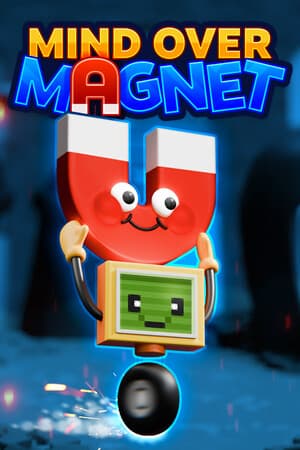
A carefully taught 2D puzzle-platformer with clear one-screen challenges and almost no friction, though its best ideas arrive just before the end.
Completion
Highlights & caveats
Teaching · Standout
Every room teaches one thing
New rules arrive in isolation, get a quick twist, then return as part of a larger solution.
Puzzle Design · Standout
Puzzles are clear at a glance
Single-screen layouts and readable connections make the problem easy to parse without giving away the answer.
Mechanics · Strong
The small toolkit keeps evolving
Pressure plates, magnetic fields, throwing, and polarity changes continually reframe familiar pieces.
Completion Pace · Strong
Completion means finishing the game
There are no collectibles or side objectives separating 100% from the three-hour main path.
Challenge · Mixed
Difficulty never climbs very high
The easy 2/5 run is ideal for newcomers, but experienced puzzle players will rarely stay stuck.
Depth · Mixed
The toolkit peaks at the finish
The final rooms start combining the best ideas, then the game ends before it can truly stretch them.
Mind Over Magnet is a good 2D puzzle-platformer because it treats teaching as level design. Uni is a one-wheeled robot trying to escape a factory, and every single-screen room puts a small set of switches, fields, doors, hazards, and magnet friends between you and the exit.
Reaching 100% took 3 hours and stayed easy at 2/5. That short, gentle curve makes it a great introduction to the genre. It is also why the game stops at good: most of the run is spent showing what its ideas can do, with only a brief final stretch that asks you to put everything together.
The rooms are exceptionally clear. You can see the full problem, trace which switches control which objects, and read every magnetic field before moving. A new piece appears by itself, the next room twists it, and a later screen brings it back beside something familiar. The question is rarely what the game wants. It is how to make those readable parts cooperate.
Magnus can weigh down a pressure plate or carry Uni through a magnetic field. New friends add throwing and polarity changes. The best rooms use those verbs to present an obvious first attempt that almost works, then ask you to reconsider the order. The solutions stay relatively simple while still producing a steady run of small realizations.
The platforming stays out of the puzzles' way. Movement is deliberate, execution demands are modest, and quick resets make experimentation cheap. Completion is just as clean: there are no collectibles, hidden challenges, or side objectives separating the main levels from 100%. The developer commentary is a thoughtful reason to return, not another checklist.
That careful teaching curve is almost too careful. Many rooms feel more like elegant exercises than puzzles that will hold you for long. Experienced players will often see the intended interaction immediately.
The later levels finally combine magnet types, polarity, hazards, and older mechanisms, then the credits arrive. There are no optional hard rooms to test the completed toolkit. The story is similarly modest: Uni and the magnets are pleasant company, but the characters and workplace jokes are connective tissue.
Play it if you want a welcoming first 2D puzzle-platformer, a low-pressure evening game, or compact problems that communicate clearly. It is especially easy to recommend to someone who likes solving puzzles but not being stuck on one for an hour.
Puzzle veterans looking for severe deductions or a deep postgame will find the limits quickly. Mind Over Magnet is modest, readable, and very well designed. It rarely astonishes, but almost never wastes a screen.