First Ending
Complete- Time
- 40 hours
- Difficulty
- Hard (3.5/5)
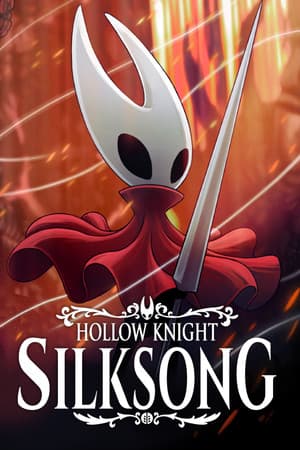
A must-play sequel whose acrobatic combat and sprawling world reward learning Hornet's rhythm, even when the trips back to bosses wear thin.
Completion
Highlights & caveats
Movement · Standout
Hornet makes movement the draw
Her speed, reach, and aerial attacks make crossing rooms as satisfying as clearing them.
Build Variety · Standout
Equipment changes the fight
Crests alter basic attacks while tools add ranged options, traps, and useful passive effects.
Bosses · Standout
Bosses use the whole toolkit
Fast duels reward positioning, well-timed attacks, and room to experiment with equipment.
World Design · Standout
Pharloom keeps opening up
Branching routes, strange settlements, and a beautiful score make the climb worth exploring.
Difficulty Curve · Mixed
Old habits need adjusting
Hornet's movement and heavy enemy hits make the opening less forgiving than Hollow Knight's.
Runbacks · Mixed
Retries come with chores
Long runbacks and the shards spent replenishing tools can interrupt the rhythm of learning a boss.
Hollow Knight: Silksong is a must-play because Hornet makes familiar exploration feel different in your hands. She covers more ground, attacks with greater reach, and carries that momentum into fights. Pharloom gives her a huge, intricate kingdom to use it in.
The first ending took 40 hours at 3.5/5 difficulty. Learning how to move and fight as Hornet makes that long climb worthwhile.
Hornet's starting downward attack sends her diagonally into enemies, changing where you land and how you line up the next hit. As more abilities arrive, crossing a room becomes a string of jumps, dashes, and attacks that fit naturally together. Familiar ground is fun to cover once you can move through it confidently.
Crests change Hornet's basic attacks and tool slots. Tools add projectiles, traps, and passive benefits, while silk skills compete with healing for resources. Trying a different setup can change how you approach a fight without removing the need to learn it.
Bosses make excellent use of those choices. Lace's duels ask you to judge distance and commit to an opening without letting your momentum carry you into the next attack. A better attempt can start with a different tool, a shorter attack, or a more deliberate landing.
Pharloom deserves the time between fights. Mossy caverns, industrial passages, and the ornate Citadel make each stage of the climb look and feel different. Branching paths offer somewhere else to go when one route becomes difficult. Hornet speaks, questions people, and helps them, giving the strange residents more to respond to. Christopher Larkin's strings and choral music give the grand halls an appropriately imposing sound.
The game can be too expensive to learn. Enemies that take two masks with a hit leave little room for mistakes, and some benches are a long way from the fight you're practicing. Recovering rosaries and spending shards to replenish tools add chores around repeated attempts. The combat is good enough to make those interruptions particularly irritating.
The size also stretches some errands. Crossing familiar regions to satisfy another quest requirement is less exciting once the route has stopped revealing anything new.
Play Hollow Knight first, then come here for faster combat and another world worth exploring thoroughly. Give the crests and tools a proper try; old habits only get you so far.
The true ending took 50 hours and 100% took 60, with difficulty rising to 4/5 and 4.5/5 respectively. Aim for the true ending if the first leaves you wanting more. Save full completion for when mastering the remaining challenges is part of the appeal.