Main Game
Complete- Time
- ~15 hours
- Difficulty
- Challenging (3/5)
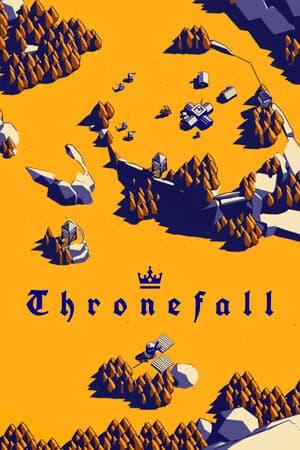
A clean, compulsive strategy game where every building slot matters and mutators turn maps into sharp puzzles.
Completion
Highlights & caveats
Strategy Clarity · Standout
Day-night loop is clean
Build by day, defend by night, and make every scarce gold choice count.
Readability · Standout
Readable losses invite restarts
Enemy paths, weak flanks, and fragile structures are easy to understand at a glance.
Economy · Strong
Economy choices stay tense
Every house, tower, and barracks purchase steals from something else you want.
Pacing · Strong
Runs stay refreshingly brisk
Maps resolve fast enough that one more attempt is always easy to justify.
Replay Value · Strong
Mutators keep old maps alive
Weapons, perks, and map modifiers keep solved layouts interesting.
Challenge Runs · Strong
Late challenges become real puzzles
The toughest setups reward creative planning and finding smart answers for each map.
Map Variety · Mixed
Some maps settle into solved routes
Some layouts develop dominant build orders once you understand them.
Thronefall strips strategy down to a few decisions that matter immediately. Build by day. Defend by night. Ride between a handful of slots, spend scarce gold, and fight beside your units when the wave starts. It looks simple. It is never shallow.
The day-night loop is the hook, and it is tuned beautifully. Houses fund the future, towers lock down lanes, barracks buy breathing room, and every placement matters because the next night is always coming.
The game is also remarkably readable. Enemy paths, weak flanks, and fragile structures are easy to understand at a glance, so losses feel fair and restarts feel inviting.
Replay value gives it staying power. Weapons change how active your king can be, perks shift priorities, and mutators force you to rethink maps that once felt solved.
Some maps settle into dominant build orders once you understand them.
Play it if you want a strategy game built from short runs, clean choices, and fast restarts rather than heavy micromanagement. Prioritize economy early, test every weapon before settling into a favorite, and add mutators once the base maps feel comfortable. If you want sprawling control over dozens of systems at once, this focused design may feel too tight.