Main Progression
Complete- Time
- 18 hours
- Difficulty
- Challenging (3/5)
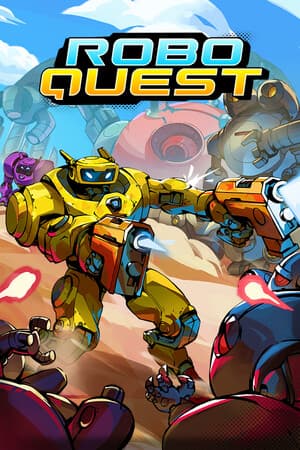
A must-play FPS roguelite with elite movement, punchy weapons, fast run pacing, and co-op that keeps up with the chaos.
Completion
Highlights & caveats
Gunplay · Standout
Guns feel excellent
Weapons are punchy, readable, and distinct enough that most drops are worth trying.
Movement · Standout
Movement drives the combat
Dashes, jumps, slides, rails, and air control turn arenas into fast routing problems.
Run Pacing · Standout
Runs waste no time
Classes, perks, weapon rolls, and upgrades arrive quickly enough to keep momentum high.
Co-op · Strong
Co-op keeps its shape
Two-player runs add chaos and recovery chances without making solo feel secondary.
Completeness · Strong
Finished version feels generous
The Endless Update, save-and-resume, and mature class roster make the current game feel complete.
Variety · Mixed
Long pushes expose repeats
Guardian climbs and extended play make some biome chunks and enemy mixes familiar.
Story · Mixed
Story is pure scaffolding
The setting has color, but the real fiction is how fast you can clear the next room.
Roboquest is a must-play because it solves the most important FPS roguelite problem immediately: it feels incredible before the build comes online. The guns hit, the movement snaps, enemies pop cleanly, and a run starts making decisions before the genre can settle into busywork.
It also benefits from being a finished game now. The Endless Update, save-and-resume, PlayStation release, and clear end of active development make the current version feel like the right one to judge. This is not a promise waiting for three more roadmaps. It is a complete, generous shooter.
Gunfeel is the first reason to play. Roboquest has a huge arsenal, but the important part is not the number. It is that rifles, launchers, shotguns, bows, energy weapons, and stranger drops all communicate well. You can feel range, rhythm, reload timing, and impact quickly enough to adapt mid-run.
Movement is the second reason, and probably the bigger one. Dashes, jumps, rails, slides, and air control make arenas feel like routes instead of circles. Good play is not hiding behind a rock until a cooldown returns. Good play is diving through fire, deleting a priority target, landing on a rail, swapping weapons, and leaving before the room catches your shape.
The roguelite layer supports that speed. Classes have clear identities, perks arrive quickly, and basecamp upgrades add long-term structure without drowning the first minutes of a run. The best builds do not only increase damage. They change how aggressively you can move, when you commit, and what risks are worth taking.
Co-op is strong because it keeps the tempo. Two players add rescues, split pressure, and more visual chaos, but Roboquest rarely collapses into mush. Solo still feels complete, which matters. Co-op is a bonus, not a repair.
The Endless Update also fits the game better than I expected. I still prefer goal-driven runs, but endless mode gives the strongest players a place to keep testing movement, buildcraft, and damage scaling after the regular climb has been mapped.
The story is just scaffolding. Max, the Guardian, and the blasted robot future give the game enough color, but the writing is never the hook. You are here for room-to-room flow, not narrative weight.
Long difficulty pushes also reveal familiar chunks. The biomes are readable and the randomization works, but after dozens of hours, you start seeing the shape of rooms before the run has done much with them. That repetition does not break the game because the combat remains strong. It does keep the long tail from feeling as surprising as the first 15 hours.
Play it if you want a fast FPS roguelite with real movement, strong weapon feedback, and builds that get exciting quickly. It is especially easy to recommend if you have a co-op partner, but solo players are not getting a lesser version.
If you need deep story, slow tactical cover play, or endless environmental novelty, Roboquest is not built for that. If you want to shoot, move, improve, and immediately run it back, it is one of the best in the lane.