Lords Cleared
Complete- Time
- ~22 hours
- Difficulty
- Hard (3.5/5)
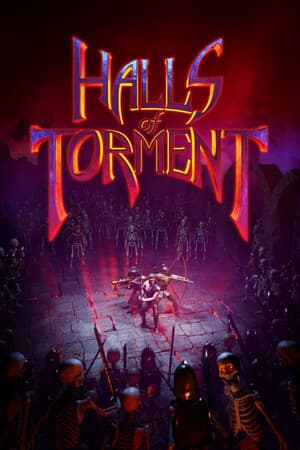
A Diablo-flavored survivorlike where quests, class marks, items, and modifiers make experimentation the main loop.
Completion
Highlights & caveats
Quest Design · Standout
Quest board gives purpose
Objectives push odd classes, abilities, and map conditions instead of just rewarding repetition.
Buildcraft · Standout
Buildcraft has real layers
Traits, abilities, items, potions, blessings, and artifacts stack into meaningful plans.
Class Identity · Strong
Classes steer you differently
Each character has a clear angle before marks start letting strengths cross over.
Itemization · Strong
Itemization keeps rerouting builds
Drops and upgrades often change what your run should prioritize next.
Boss Design · Strong
Bosses punctuate runs well
Major fights give the escalating chaos clean milestones to push toward.
Presentation · Strong
Presentation nails the throwback
The Diablo-like look helps the game stand apart in a crowded subgenre.
Clarity · Mixed
Late screens get busy
Dense effects can make important threats harder to read in the middle of a strong build.
Endgame Grind · Mixed
Completion turns into bookkeeping
Very specific late goals make the brilliant quest board feel like accounting.
Halls of Torment is a survivorlike with Diablo bones and a quest board that does real design work. The quests are not side chores. They teach the game, push experimentation, and give runs a purpose.
The achievement structure is the standout. It asks you to lean into fragile classes, odd abilities, weapon evolutions, map conditions, and trait paths you might otherwise ignore. That pressure keeps the game from collapsing into one safe build too early.
Class identity helps a lot too. Archer, Cleric, Warlock, Norseman, and the rest all nudge you toward different priorities, while class marks let one character borrow another's strengths. Items, abilities, traits, potions, blessings, artifacts, and modifiers give the buildcraft real layers.
Late progression eventually starts to feel like accounting. The same quest board that gives the game structure eventually asks for very specific clears and starts resembling homework. Balance is uneven, and stacked effects can bury danger when the screen gets busy.
Play it if you want an auto-shooter with structured goals and real buildcraft. Use the quest board as a push toward odd ideas instead of a list you have to clear in order, and expect some classes to feel better tuned than others. If unlock boards already feel like homework, the endgame leans too hard on that itch.