Main Story
Complete- Time
- ~6 hours
- Difficulty
- Challenging (3/5)
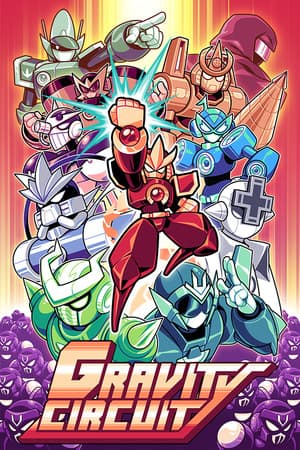
A brisk Mega Man-inspired action platformer with sharp melee momentum, satisfying grappling, and enough optional challenges to stretch the run.
Completion
Highlights & caveats
Movement · Standout
Grappling adds real flow
The hookshot pulls Kai through levels and into enemies without turning movement messy.
Combat · Standout
Melee combat has snap
Punches, throws, specials, and close-range pressure give fights more identity than a standard blaster setup.
Level Design · Strong
Stages keep pace
Levels stay readable, quick, and focused enough that retries rarely feel bloated.
Soundtrack · Strong
Soundtrack carries momentum
High-energy retro tracks help each stage feel faster and more confident.
Replay Value · Strong
Optional goals extend it
Challenges, achievements, and cleaner clears give players a longer tail beyond the main route.
Story · Mixed
Story mostly echoes classics
The setup and boss structure fit the homage, but the characters do not add much weight.
Difficulty Spikes · Mixed
Late pressure can spike
Bosses and final stages ask for cleaner play than the breezy runtime first suggests.
Gravity Circuit is a fast retro action platformer built from obvious Mega Man DNA, but it earns the comparison through feel. The hookshot, melee combat, and compact stage design give it enough identity to stand beside its influences instead of only pointing back at them.
Movement is the best part. Kai runs, jumps, dashes, and grapples with clean momentum, and the hookshot gives stages a faster rhythm than a straight tribute would have. It pulls you across gaps, into enemies, and out of danger in a way that keeps the game moving forward.
Combat also benefits from that speed. Gravity Circuit is more about close-range pressure than safe shooting, so punches, throws, specials, and grapples all feed into the same aggressive loop. The best fights reward staying active instead of backing up and waiting for a clean shot.
Stages are short enough to keep retries painless. They usually introduce a hazard or movement idea, layer in a few tougher enemy placements, then get out before the gimmick turns stale. The soundtrack helps a lot here too. It has the bright retro energy the game is reaching for, and it keeps the pace feeling punchy.
There is more here if you want to stay past the credits. Extra challenges, achievements, and cleaner clears give the game a longer tail than the main route suggests. That optional layer matters because the first clear is brisk.
The story is mostly functional homage. The rogue-boss structure, robot world, and base conversations give the campaign shape, but the writing is not the reason to keep playing. The game is at its best when it is moving.
Some late fights and final-stage sequences spike above the rest of the campaign. They are not unfair, and retries are quick, but the last stretch asks for cleaner execution than the early levels prepare you for.
Play it if you want a short, sharp action platformer with strong movement and close-range combat. It is especially easy to enjoy if Mega Man X or Zero is already in your vocabulary, but the hookshot and melee focus give it its own texture. If you need a richer story or a long campaign, treat the main path as the warmup and look to the challenges and achievements for the longer experience.